

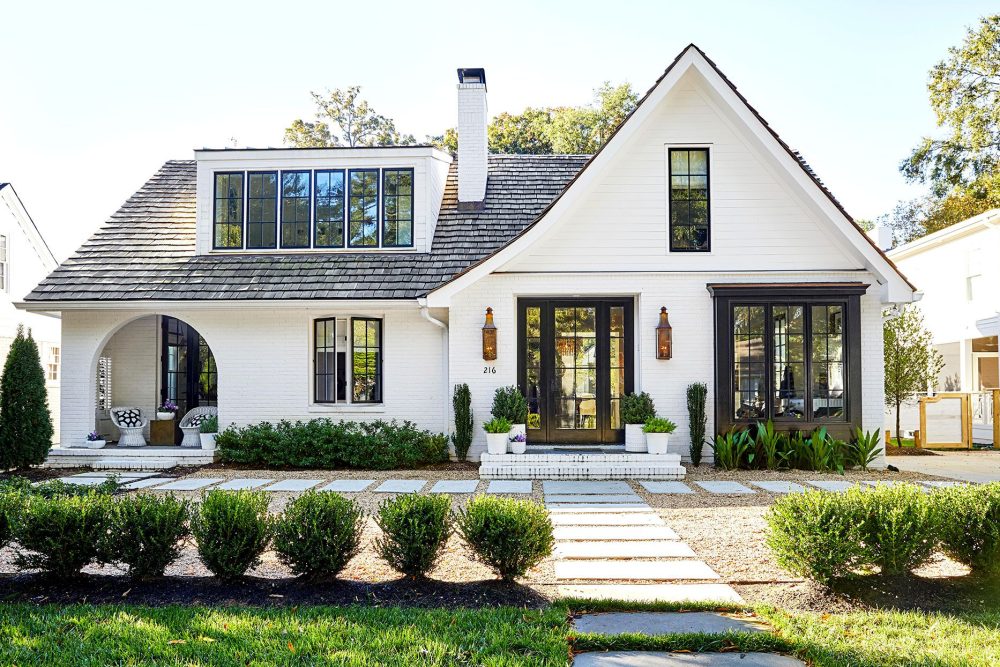
Exterior Design Ideas – Transform Your Home’s Curb Appeal
Understanding Exterior Design and Its Importance
The exterior of a home or building is its first impression. It reflects the architectural style, personality, and functionality of the structure while influencing how guests, neighbors, and passersby perceive it. Exterior design is more than aesthetic appeal; it encompasses structural integrity, material selection, landscaping, lighting, and even environmental considerations. A well-designed exterior not only elevates curb appeal but also improves property value, enhances energy efficiency, and ensures long-term durability.
From modern minimalist facades to rustic traditional homes, exterior design allows homeowners and architects to showcase creativity while addressing practical needs such as weather resistance, security, and comfort. Every element, from walls and roofing to driveways and gardens, plays a role in creating a cohesive and inviting look.
Key Elements of Exterior Design
Exterior design involves several components that work together to create an appealing and functional environment.
- Architectural Style: The foundation of exterior design is the architectural style of the building. Styles like contemporary, Mediterranean, colonial, Tudor, and modern farmhouse dictate the overall form, rooflines, materials, and color schemes. Choosing a style helps guide decisions about windows, doors, and decorative elements.
- Materials and Finishes: Exterior materials contribute to aesthetics, durability, and maintenance. Common options include brick, stone, stucco, wood, vinyl, and metal. Finishes such as paint, stains, or sealants enhance protection against weather conditions while complementing the architectural style.
- Roofing: Roof design influences both the appearance and functionality of a building. Choices include flat, gabled, hipped, or mansard roofs, each with different drainage capabilities, insulation properties, and visual impact. Selecting the right roofing material—such as shingles, metal, tiles, or slate—affects durability and energy efficiency.
- Windows and Doors: Windows and doors are focal points in exterior design. Their placement, size, and style affect natural lighting, ventilation, security, and aesthetics. Options like bay windows, French doors, sliding doors, and picture windows provide versatility in design.
- Landscaping and Hardscaping: Outdoor spaces like gardens, lawns, patios, driveways, and walkways enhance the exterior environment. Landscaping includes plants, trees, shrubs, and flowerbeds, while hardscaping refers to paved areas, retaining walls, and decorative stones. Together, they create balance, harmony, and functional outdoor areas.
- Lighting: Exterior lighting enhances safety, security, and ambiance. Pathway lights, wall-mounted fixtures, floodlights, and accent lighting highlight architectural features and landscape elements while providing visibility during nighttime.
- Color Palette: Exterior colors impact perception and curb appeal. Coordinating roof, walls, trims, and doors with complementary colors creates visual interest. Neutral tones, bold contrasts, or earthy palettes are popular choices based on architectural style.
- Sustainability: Eco-friendly exterior designs include energy-efficient windows, solar panels, rainwater harvesting systems, and green roofs. Sustainable materials reduce environmental impact and promote energy conservation.
Popular Exterior Design Styles
Understanding different exterior design styles helps homeowners and architects create cohesive looks:
- Modern Exterior: Characterized by clean lines, minimal ornamentation, large windows, and flat or low-pitched roofs. Materials often include glass, steel, and concrete. Modern exteriors emphasize simplicity and functionality.
- Traditional Exterior: Includes classic architectural forms with gabled roofs, symmetrical facades, brick or wood siding, and ornamental details. Traditional homes exude warmth, elegance, and timeless appeal.
- Mediterranean Exterior: Features stucco walls, terracotta roof tiles, arched windows, and wrought-iron details. This style is ideal for warm climates and emphasizes outdoor living spaces like courtyards and patios.
- Rustic or Farmhouse Exterior: Emphasizes natural materials like wood and stone, exposed beams, and earthy colors. Front porches, gabled roofs, and simple landscaping complement the cozy, welcoming aesthetic.
- Contemporary Exterior: Blends modern and traditional elements with dynamic forms, mixed materials, and innovative layouts. Contemporary exteriors prioritize sustainability, open spaces, and unique architectural features.
Enhancing Curb Appeal Through Exterior Design
Curb appeal is the measure of how attractive a property appears from the street. Key strategies to enhance it include:
- Front Entry Design: The front door, porch, and entryway create the first impression. Adding decorative doors, planters, or a small seating area improves visual appeal.
- Driveways and Walkways: Well-designed driveways and pathways guide visitors while complementing the architectural style. Materials like pavers, concrete, gravel, or stamped concrete add texture and visual interest.
- Outdoor Living Spaces: Patios, decks, and terraces expand functional areas and enhance the connection between indoor and outdoor spaces. Incorporating seating, pergolas, or fire pits encourages relaxation and socialization.
- Greenery and Plant Selection: Selecting appropriate plants for climate and soil ensures a vibrant exterior year-round. Layering plants of different heights and textures creates depth and visual interest.
- Maintenance and Cleanliness: A well-maintained exterior reflects attention to detail and preserves property value. Regular cleaning, painting, and repair of surfaces, gutters, and landscaping prevent deterioration.
Exterior Materials and Their Benefits
Choosing the right materials impacts durability, maintenance, and visual appeal:
- Brick: Long-lasting, fire-resistant, and low maintenance. Offers timeless appeal and works with traditional or modern designs.
- Stone: Durable and versatile, suitable for walls, facades, or landscaping features. Provides natural beauty and texture.
- Stucco: Flexible and smooth, ideal for Mediterranean and modern designs. Offers good insulation properties.
- Wood: Warm and natural, suitable for rustic or farmhouse designs. Requires regular maintenance to prevent rot and pests.
- Vinyl: Cost-effective, low maintenance, and available in various colors. Often used for siding and trims.
- Metal: Sleek and modern, used in panels, roofing, and accents. Resistant to fire and pests.
Lighting and Exterior Ambiance
Lighting extends functionality and aesthetics into nighttime hours:
- Security Lighting: Motion sensors and floodlights deter intruders and improve visibility.
- Pathway Lighting: Illuminates walkways and entrances, enhancing safety and guiding visitors.
- Accent Lighting: Highlights architectural features, trees, or sculptures, adding depth and drama.
- Ambient Lighting: Creates a welcoming atmosphere for outdoor spaces, patios, and seating areas.
Choosing energy-efficient LED fixtures and solar-powered lights combines sustainability with functionality.
Trends in Exterior Design
Current trends reflect evolving preferences in architecture and lifestyle:
- Sustainable Exteriors: Use of recycled materials, energy-efficient systems, and green roofs.
- Mixed Materials: Combining wood, stone, and metal for modern visual appeal.
- Bold Color Schemes: Dark hues, contrasting trims, or colorful doors enhance individuality.
- Minimalist Landscaping: Low-maintenance gardens with native plants and clean lines.
- Smart Technology: Integration of automated lighting, security, irrigation, and energy systems.
Keeping abreast of trends helps homeowners make informed choices while ensuring their exterior remains stylish and functional.
Conclusion
Exterior design plays a critical role in shaping the character, functionality, and value of a property. By carefully considering architectural style, materials, landscaping, lighting, and sustainability, homeowners and architects can create exteriors that are visually appealing, practical, and enduring. A well-designed exterior not only enhances curb appeal but also reflects personality, supports outdoor living, and contributes to long-term property maintenance and energy efficiency.
FAQs
1. How can I improve my home’s exterior on a budget?
Focus on landscaping, painting doors and trims, adding planters, updating lighting, and maintaining cleanliness to enhance curb appeal without major renovations.
2. What are the best low-maintenance exterior materials?
Brick, stone, vinyl, and metal are durable, require minimal upkeep, and resist weathering.
3. How does exterior lighting impact home security?
Properly placed security lights and motion sensors improve visibility, deter intruders, and enhance overall safety.
4. Can exterior design increase property value?
Yes, a well-maintained and visually appealing exterior boosts curb appeal, attracting buyers and potentially increasing market value.
5. What is the importance of sustainable exterior design?
Sustainable design reduces environmental impact, lowers energy costs, and contributes to long-term durability and efficiency.
6. How do I choose the right color palette for my exterior?
Consider architectural style, neighborhood context, climate, and personal preference. Neutral tones provide timeless appeal, while accent colors add visual interest.
7. Are smart technologies suitable for exterior applications?
Yes, smart irrigation, automated lighting, security cameras, and energy-efficient systems enhance functionality, convenience, and sustainability.
8. What landscaping elements complement exterior design?
Layered plantings, trees, shrubs, pathways, water features, and decorative stones create depth, balance, and harmony with the architectural style.

