Pest Control Services – Effective Solutions for a Pest-Free Home
Understanding Pest Control
Pest control refers to the management and regulation of insects, rodents, and other organisms that invade homes, commercial spaces, or agricultural areas. Pests can cause structural damage, contaminate food, spread diseases, and negatively impact health and productivity. Effective pest control combines preventive measures, monitoring, and targeted treatments to reduce infestations while minimizing risks to humans, pets, and the environment.
Pest control is a critical aspect of maintaining a safe and hygienic environment. It is not just about eliminating visible pests but also preventing their return through strategic planning, sanitation, and ongoing monitoring. Professional pest control services often combine chemical treatments with eco-friendly solutions, depending on the type of pest and severity of the infestation.
Common Household Pests and Their Risks
Understanding the types of pests that commonly affect homes and businesses is essential for effective control:
- Rodents (Rats and Mice): Rodents can chew through wires, furniture, and insulation, causing property damage. They carry diseases such as leptospirosis, salmonella, and hantavirus, posing serious health risks.
- Cockroaches: Cockroaches are notorious for spreading bacteria, contaminating food, and triggering allergies and asthma. They thrive in warm, humid environments and are challenging to eradicate without professional intervention.
- Termites: Termites feed on wood and cellulose materials, causing significant structural damage to homes and buildings. Early detection and treatment are crucial to prevent costly repairs.
- Ants: While most ants are harmless, some species like carpenter ants can damage wood structures. Ant infestations can also contaminate food and become a persistent nuisance.
- Bed Bugs: Bed bugs feed on human blood, causing itchy bites and sleep disturbances. They are resilient and require professional treatments for complete eradication.
- Mosquitoes: Mosquitoes transmit serious diseases such as dengue, malaria, and Zika virus. Controlling breeding sites and using protective measures are essential in mosquito-prone areas.
- Flies and Other Insects: Flies, fleas, and other insects can carry pathogens and irritate humans and pets. Proper sanitation and targeted treatments reduce their presence.
Pest Control Methods
Effective pest control combines multiple methods to ensure long-term results. These methods include:
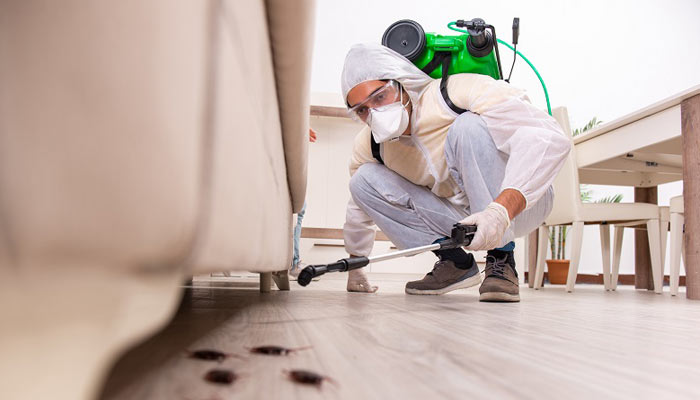
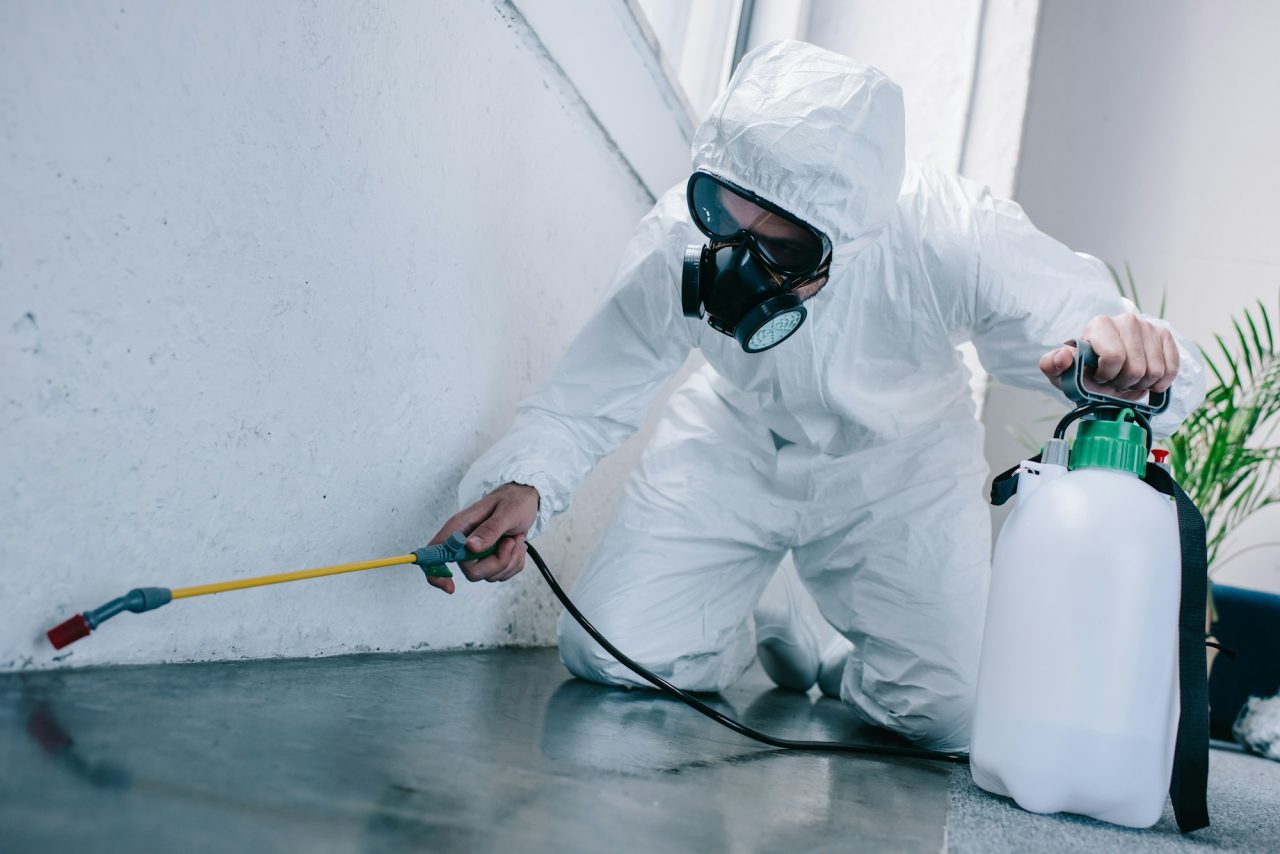
- Chemical Treatments: Pesticides are widely used for quick and effective pest elimination. These include sprays, baits, and foggers, which must be applied carefully to minimize health risks. Professional pest control technicians often select treatments based on the pest species and infestation severity.
- Biological Control: Biological control uses natural predators or parasites to manage pest populations. For example, introducing ladybugs to control aphids or nematodes to combat soil pests reduces reliance on chemicals.
- Physical Methods: Physical pest control involves barriers, traps, and mechanical removal. Examples include sticky traps, rodent bait stations, window screens, and sealing entry points to prevent pest access.
- Integrated Pest Management (IPM): IPM is a holistic approach that combines monitoring, preventive measures, and selective treatments to manage pests effectively. IPM emphasizes long-term solutions, minimal chemical use, and environmental safety.
- Preventive Measures: Maintaining cleanliness, proper waste disposal, regular inspections, and eliminating standing water reduces the likelihood of infestations. Sealing cracks, repairing leaks, and storing food in airtight containers are essential preventive steps.
Pest Control for Specific Areas
Different areas of a property require tailored pest control strategies:
- Residential Homes: Kitchens, bathrooms, attics, and basements are common hotspots for pests. Homeowners should focus on food storage, sanitation, and moisture control to prevent infestations.
- Commercial Spaces: Restaurants, warehouses, offices, and retail stores require regular inspections and treatments to maintain hygiene standards and comply with health regulations. Professional pest control services help businesses avoid legal penalties and protect their reputation.
- Gardens and Outdoor Areas: Gardens and yards attract insects and rodents that can damage plants and crops. Mulching, proper irrigation, and pest-repelling plants are effective preventive measures, complemented by targeted treatments if needed.
- Agricultural Fields: Farms and orchards face challenges from crop-damaging insects and rodents. Pest management in agriculture combines chemical treatments, crop rotation, natural predators, and monitoring to maximize yield and reduce environmental impact.
Choosing Professional Pest Control Services
Hiring professional pest control services ensures safe and effective management of infestations. Key factors to consider include:
- Experience and Expertise: Certified technicians have the knowledge to identify pests accurately and apply suitable treatments.
- Customized Solutions: Professionals provide tailored strategies based on the type of pest, property layout, and severity of the infestation.
- Safety Measures: Experts use eco-friendly products and follow safety protocols to protect occupants, pets, and the environment.
- Preventive Programs: Many companies offer ongoing maintenance and monitoring to prevent future infestations.
- Emergency Services: Rapid response services are crucial for severe infestations that threaten health or property.
For homeowners in Richland and Lexington Counties, South Carolina, comparing options for Pest Control can be a practical next step when recurring household pests persist despite preventative measures. A local service can assess the conditions encouraging pest activity and use targeted treatment and prevention measures suited to the property.
Tips for Effective Home Pest Prevention
Homeowners can take several proactive measures to reduce the risk of pest infestations:
- Keep a Clean Environment: Regular cleaning, proper waste disposal, and sanitizing surfaces reduce attraction for pests.
- Seal Entry Points: Cracks, gaps, and openings around doors, windows, and walls should be sealed to prevent pest entry.
- Manage Moisture: Repair leaks, avoid standing water, and maintain proper drainage to eliminate breeding grounds for insects.
- Proper Food Storage: Store food in sealed containers and dispose of garbage regularly to prevent attracting pests.
- Regular Inspections: Periodically check attics, basements, gardens, and storage areas for signs of pests and address issues promptly.
- Use Natural Repellents: Herbs, essential oils, and plants such as peppermint, lavender, and citronella can help deter pests naturally.
Emerging Trends in Pest Control
Modern pest control is evolving with technological and environmental advancements:
- Eco-Friendly Treatments: There is growing demand for non-toxic, biodegradable, and environmentally safe pesticides.
- Smart Monitoring: Sensors and traps provide real-time data on pest activity, enabling precise interventions.
- Biological Solutions: Research in biocontrol agents and natural predators offers sustainable pest management options.
- Integrated Technology: Mobile apps and cloud-based systems allow homeowners and businesses to schedule treatments, monitor pest activity, and receive alerts.
- Public Awareness: Education campaigns and community programs emphasize sanitation, prevention, and responsible pest control practices.
Conclusion
Pest control is a vital aspect of maintaining a safe, healthy, and comfortable living or working environment. Understanding common pests, their risks, and appropriate control methods enables effective management and prevention. Whether through professional services, preventive measures, or modern eco-friendly approaches, maintaining a pest-free space enhances property value, health, and peace of mind. Consistent monitoring, timely interventions, and strategic planning are essential to protect homes, businesses, and agricultural areas from pest-related damage.
FAQs
1. How often should I schedule pest control services?
For most homes, bi-annual inspections are recommended. High-risk areas, commercial properties, or severe infestations may require quarterly or monthly visits.
2. Are pest control chemicals safe for pets and children?
Professional pest control technicians use products with safety guidelines. Many eco-friendly and low-toxicity options are available to minimize risks to humans and pets.
3. Can I perform pest control myself at home?
DIY treatments can manage minor infestations, but professional services are necessary for persistent or large-scale problems to ensure complete eradication.
4. How long does a professional pest treatment last?
The effectiveness varies depending on the pest type, treatment method, and property conditions. Some treatments last for months, while others may require follow-up visits.
5. What are signs of a termite infestation?
Look for mud tubes, hollow-sounding wood, discarded wings, and damaged wooden structures. Early detection prevents major structural damage.
6. Are natural pest repellents effective?
Natural repellents can deter pests temporarily but may not eliminate severe infestations. Combining them with preventive measures enhances effectiveness.
7. How can I prevent mosquitoes in my garden?
Eliminate standing water, use mosquito-repelling plants, install screens, and consider professional mosquito control treatments for large outdoor spaces.
8. Why is integrated pest management recommended?
IPM minimizes chemical use, promotes sustainable practices, targets specific pests, and reduces the risk of future infestations.