

Comprehensive Roofing Guide – Types, Installation, and Maintenance Tips
Understanding Roofing
Roofing is a crucial component of any building, serving as the first line of defense against environmental elements such as rain, wind, snow, and sunlight. A properly designed and installed roof not only protects a home or commercial property but also enhances its aesthetic appeal and structural integrity. Roofing involves selecting materials, designing the structure, and ensuring proper installation and maintenance.
The importance of roofing extends beyond protection. It impacts energy efficiency, water drainage, and overall property value. Homeowners and property managers must carefully consider roofing options to ensure long-term durability and cost-effectiveness.
Types of Roofing Materials
Roofing materials vary widely, each offering unique benefits and considerations:
- Asphalt Shingles: Asphalt shingles are among the most popular roofing materials due to affordability, ease of installation, and a wide range of colors and styles. They typically last 20–30 years and are suitable for various climates.
- Metal Roofing: Metal roofs, including steel, aluminum, and copper, provide durability, energy efficiency, and low maintenance. Metal roofing is resistant to fire, wind, and moisture, making it ideal for regions with extreme weather.
- Tile Roofing: Clay or concrete tiles offer excellent durability and aesthetic appeal. Tile roofs are fire-resistant and can last over 50 years. They are heavier than other materials, requiring reinforced roof structures.
- Slate Roofing: Slate provides a high-end, elegant appearance and exceptional longevity, often exceeding 100 years. Slate is highly durable but expensive and requires professional installation.
- Wood Shingles and Shakes: Wood roofing offers natural beauty and insulation benefits. Cedar is a common choice due to its resistance to decay and insects. Wood roofs require regular maintenance to prevent mold and rot.
- Synthetic Roofing: Synthetic materials, such as rubber, plastic, and polymer composites, mimic natural materials like slate or wood while offering lightweight, durable, and low-maintenance alternatives.
Roofing Installation Process
Proper installation is critical to maximize a roof’s lifespan and performance. The roofing process typically includes the following steps:
- Inspection and Preparation: The existing roof structure is inspected for damage or weaknesses. Old roofing materials may be removed, and the roof deck is repaired or replaced as needed.
- Underlayment Installation: Underlayment provides an additional layer of protection against moisture. It is installed between the roof deck and the roofing material.
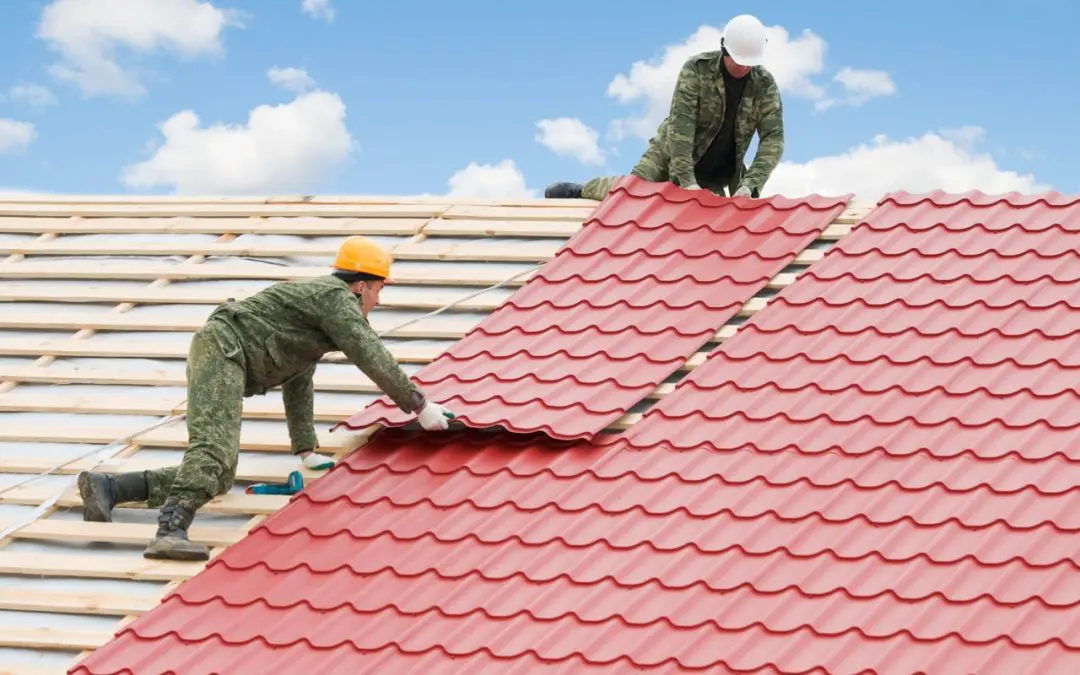
- Roofing Material Installation: Roofing materials are installed according to manufacturer specifications. Shingles, tiles, or metal panels are secured with nails, screws, or adhesives. Proper alignment and overlap are essential to prevent leaks.
- Flashing and Ventilation: Flashing is installed around chimneys, vents, and valleys to prevent water infiltration. Adequate ventilation ensures proper airflow, reducing heat buildup and moisture accumulation in the attic.
- Inspection and Cleanup: After installation, the roof is inspected for quality and adherence to building codes. Excess materials and debris are removed, leaving a clean and functional roof.
Maintenance Tips for Roofing
Regular maintenance extends the lifespan of a roof and prevents costly repairs:
- Routine Inspections: Inspect the roof at least twice a year and after severe weather events to identify damage, leaks, or worn materials.
- Gutter Cleaning: Clean gutters and downspouts regularly to prevent water buildup, which can damage roofing materials and the structure.
- Moss and Algae Removal: Moss and algae growth can compromise roofing integrity. Use appropriate cleaning solutions to remove growth without damaging materials.
- Repairing Minor Damage: Address missing shingles, cracked tiles, or damaged flashing promptly to prevent leaks and structural issues.
- Professional Checkups: Hire professional roofing contractors for thorough inspections, maintenance, and repairs to ensure safety and quality.
Benefits of Quality Roofing
Investing in a high-quality roof offers multiple advantages:
- Protection: A well-installed roof shields the property from rain, snow, wind, and UV radiation, preserving structural integrity.
- Energy Efficiency: Proper insulation and reflective materials reduce energy consumption by maintaining indoor temperatures.
- Longevity: Durable roofing materials combined with maintenance extend the roof’s service life.
- Property Value: A visually appealing and well-maintained roof enhances curb appeal and market value.
- Safety: High-quality roofing reduces risks of leaks, mold growth, and structural damage, contributing to a safer living environment.
- Cost Savings: Preventative maintenance and durable materials reduce long-term repair costs and energy bills.
Common Roofing Challenges
Roofing projects can face challenges that require attention and careful planning:
- Weather Conditions: Extreme weather, such as heavy rain, snow, or hail, can delay installation and cause damage if not properly accounted for.
- Material Selection: Choosing the wrong material for a climate or structure can lead to premature wear or structural issues.
- Installation Errors: Poor installation may result in leaks, uneven surfaces, and reduced lifespan. Professional expertise is critical.
- Maintenance Neglect: Lack of regular inspections and cleaning accelerates material deterioration and increases repair costs.
- Structural Issues: Older homes may require reinforcement to support heavier roofing materials like tile or slate.
Roofing Trends and Innovations
Modern roofing incorporates technology and design innovations to improve functionality, efficiency, and aesthetics:
- Cool Roofs: Reflective coatings and materials reduce heat absorption, improving energy efficiency and indoor comfort.
- Green Roofs: Vegetative roofing systems provide insulation, reduce runoff, and create eco-friendly spaces.
- Solar Roofing: Integrated solar panels allow energy generation while serving as durable roofing material.
- Advanced Synthetic Materials: Lightweight and durable synthetic shingles mimic natural materials while reducing installation complexity.
- Smart Roofing: Sensors detect leaks, temperature fluctuations, and structural weaknesses, enabling proactive maintenance.
- Sustainable Materials: Eco-friendly, recyclable, and energy-efficient materials are increasingly preferred for environmentally conscious construction.
Tips for Choosing the Right Roofing
- Assess climate and weather patterns to select durable, weather-resistant materials.
- Consider the architectural style of the property when choosing materials and colors.
- Factor in the roof’s slope and structural support capabilities when selecting heavy materials like tile or slate.
- Evaluate long-term costs, including installation, maintenance, and energy efficiency.
- Consult professional roofing contractors for expert recommendations and accurate estimates.
- Research warranties and manufacturer guarantees to ensure protection against defects and premature wear.
- Prioritize proper ventilation and insulation to maximize energy efficiency and roof longevity.
Conclusion
Roofing is an essential aspect of property protection, aesthetic enhancement, and long-term value. From selecting appropriate materials to ensuring professional installation and consistent maintenance, each step contributes to the roof’s durability, functionality, and visual appeal. Modern trends such as energy-efficient, sustainable, and smart roofing systems offer innovative solutions for contemporary needs. By understanding roofing types, installation procedures, maintenance strategies, and emerging technologies, homeowners and property managers can make informed decisions that protect their investment, enhance comfort, and elevate property value. A strong, well-maintained roof ensures safety, efficiency, and peace of mind for years to come.
FAQs
1. How long does a typical roof last?
The lifespan depends on materials: asphalt shingles 20–30 years, metal 40–70 years, tile 50–100 years, and slate up to 100 years or more.
2. Can I install a new roof over an old one?
In some cases, a new roof can be installed over an existing one, but inspection for damage and local building codes are necessary.
3. How often should I inspect my roof?
Inspect roofs at least twice a year and after severe weather events to detect damage early.
4. What is the best roofing material for extreme weather?
Metal and slate roofing are highly durable for wind, hail, and snow, while asphalt shingles are suitable for moderate climates.
5. How can I prevent roof leaks?
Regular maintenance, timely repair of damaged shingles or flashing, and proper gutter cleaning help prevent leaks.
6. Are solar roofs cost-effective?
Yes, integrated solar roofing can reduce energy bills over time while providing durable protection, though initial costs are higher.
7. Can I maintain my roof myself?
Minor cleaning and debris removal are possible, but inspections, repairs, and installations should be handled by professionals for safety.
8. What factors influence roofing costs?
Material type, roof size, complexity, labor, and local regulations impact overall roofing costs.

