Expert Home Remodeling Ideas – Transform Your Space Efficiently
Understanding Remodeling
Remodeling is the process of improving, updating, or altering the structure and design of a residential or commercial space to enhance functionality, aesthetics, and overall value. Unlike simple repairs or maintenance, remodeling often involves substantial changes to layouts, finishes, or structural elements. Remodeling can range from minor updates such as painting and flooring to major overhauls involving kitchens, bathrooms, or entire homes.
Effective remodeling requires careful planning, understanding design principles, budgeting accurately, and choosing appropriate materials. It is a blend of creativity, technical knowledge, and practical execution, aiming to maximize the potential of a space while reflecting personal style and functional needs.
Types of Remodeling Projects
Remodeling encompasses a wide variety of projects, each with specific goals and considerations:
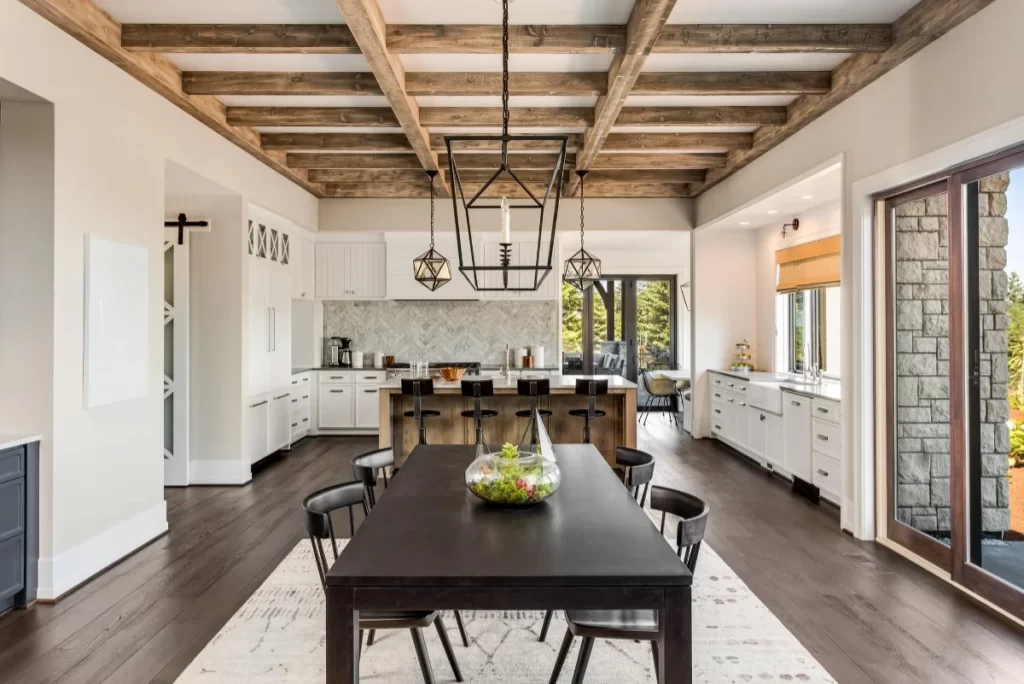
- Kitchen Remodeling: Modern kitchens often focus on functionality and aesthetics. Upgrades can include new cabinets, countertops, flooring, energy-efficient appliances, and open layouts to enhance cooking and socializing areas. Kitchen remodeling is one of the most popular projects due to its impact on property value and daily usability.
- Bathroom Remodeling: Bathroom renovations improve comfort, efficiency, and hygiene. Common updates include modern fixtures, vanities, showers, bathtubs, lighting, and water-saving systems. Proper planning ensures optimal use of space and integration of contemporary design trends.
- Basement Remodeling: Transforming basements into functional living areas, home theaters, gyms, or offices increases usable space and home value. Waterproofing, insulation, and proper lighting are crucial for comfortable and durable basement remodeling.
- Living Room Remodeling: Enhancing living rooms may involve repainting, installing new flooring, adding built-in storage, updating furniture, and improving lighting. Remodeling aims to create inviting, comfortable spaces for relaxation and entertainment.
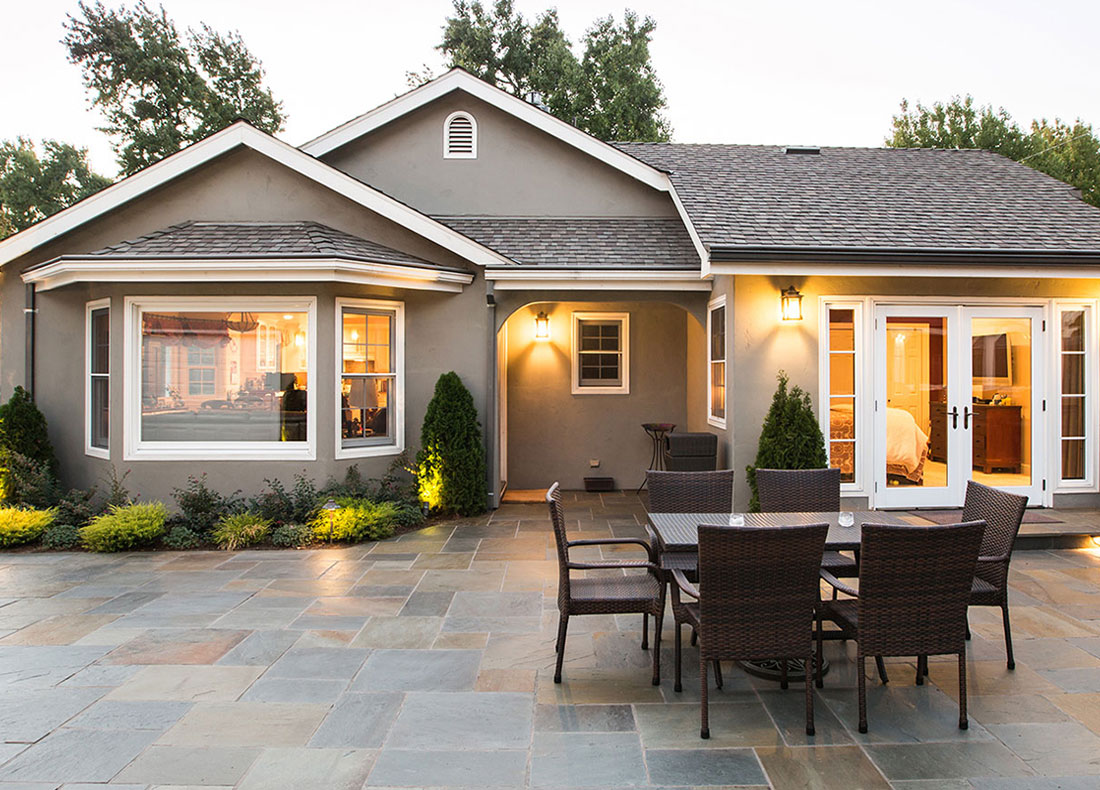
- Exterior Remodeling: Exterior improvements include siding, roofing, windows, doors, and landscaping enhancements. These changes improve curb appeal, energy efficiency, and property durability. Exterior remodeling is particularly effective in boosting a home’s market value.
- Commercial Space Remodeling: Office, retail, and industrial remodeling focuses on functional layouts, modern design, and efficient use of space. Upgrades may include partitioning, ergonomic workspaces, technology integration, and aesthetic improvements to attract clients and enhance employee satisfaction.
Planning a Successful Remodeling Project
Proper planning is critical to ensure a remodeling project is completed efficiently, within budget, and meets expectations:
- Define Goals: Determine what you want to achieve, whether it is increased functionality, enhanced aesthetics, or higher property value. Clearly defined goals guide design and material choices.
- Budgeting: Establish a realistic budget that covers materials, labor, permits, and unexpected costs. Allocate contingency funds to manage unforeseen expenses during construction.
- Design and Layout: Work with designers or use remodeling software to visualize layouts, material combinations, and color schemes. Proper design ensures optimal use of space and smooth execution.
- Hiring Professionals: Contractors, architects, and designers bring expertise to handle complex remodeling tasks. Verify credentials, reviews, and experience to select reliable professionals.
- Timeline and Scheduling: Set a detailed timeline for project milestones, material deliveries, and labor schedules. Effective scheduling minimizes delays and disruption.
- Permits and Regulations: Ensure all remodeling activities comply with local building codes and regulations. Permits may be required for structural changes, plumbing, electrical work, and additions.
Materials and Finishes
Choosing the right materials is essential for durability, functionality, and style:
- Flooring Options: Hardwood, laminate, tile, vinyl, and carpet each offer distinct aesthetics, maintenance requirements, and cost considerations. Flooring selection depends on the room’s purpose and traffic levels.
- Cabinets and Storage: Kitchen and bathroom cabinets can be custom-built, semi-custom, or stock. Material quality and design influence longevity and appearance. Innovative storage solutions improve organization and space utilization.
- Countertops and Surfaces: Quartz, granite, marble, laminate, and solid surfaces offer varying levels of durability, maintenance, and visual appeal. Selecting appropriate countertops balances functionality with design preferences.
- Lighting Fixtures: Proper lighting improves ambiance, highlights design features, and enhances functionality. Options include recessed lighting, pendant lights, wall sconces, and smart lighting systems.
- Paint and Wall Treatments: High-quality paints, wallpapers, and wall panels refresh interiors and allow for personalized style. Consider finishes such as matte, satin, or semi-gloss based on room usage.
- Plumbing and Fixtures: Modern faucets, sinks, showers, and bathtubs enhance comfort and efficiency. Water-saving fixtures promote sustainability and reduce utility costs.
Benefits of Remodeling
Remodeling offers numerous advantages beyond aesthetic improvements:
- Increased Property Value: Strategic remodeling can significantly enhance resale value, particularly in kitchens, bathrooms, and exterior upgrades.
- Enhanced Functionality: Remodeling improves layout efficiency, storage solutions, and overall usability of spaces.
- Energy Efficiency: Upgrading windows, insulation, and appliances reduces energy consumption and utility bills.
- Personalization: Remodeling allows homeowners to customize spaces to match lifestyle preferences, tastes, and needs.
- Safety Improvements: Renovations can address structural issues, outdated electrical systems, and plumbing problems, ensuring a safer environment.
- Aesthetic Appeal: Contemporary designs, modern finishes, and coordinated color schemes elevate the look and feel of a property.
Common Challenges in Remodeling
Despite the advantages, remodeling projects may face challenges that require careful management:
- Budget Overruns: Unexpected issues, material cost fluctuations, or design changes can exceed the initial budget. Contingency funds are essential.
- Construction Delays: Labor shortages, weather conditions, and supply chain disruptions may extend project timelines.
- Design Discrepancies: Miscommunication or inadequate planning can lead to design elements not aligning with expectations. Frequent reviews and updates help prevent this.
- Permit Issues: Failure to obtain proper permits can result in legal complications and fines. Ensure compliance with local regulations.
- Quality Control: Ensuring consistent workmanship and material quality requires oversight and regular inspections during construction.
Trends in Remodeling
Modern remodeling incorporates emerging trends to improve functionality, style, and sustainability:
- Open Floor Plans: Expanding open spaces promotes interaction and enhances natural light flow.
- Smart Home Integration: Home automation for lighting, security, heating, and appliances enhances convenience and energy efficiency.
- Sustainable Materials: Eco-friendly materials, low-VOC paints, and energy-efficient systems reduce environmental impact.
- Minimalist and Modern Design: Clean lines, neutral color palettes, and clutter-free spaces are increasingly popular.
- Outdoor Living Spaces: Decks, patios, and landscaped gardens extend living areas and enhance lifestyle quality.
- Flexible Spaces: Multi-functional rooms that adapt to work, entertainment, or fitness needs accommodate changing lifestyles.
Tips for Successful Remodeling
- Conduct thorough research and visualize your desired outcome before starting.
- Consult professionals for advice on design, materials, and structural changes.
- Prioritize high-impact areas that offer maximum value and functionality.
- Maintain open communication with contractors to avoid misunderstandings.
- Monitor progress regularly and adjust plans as needed.
- Use quality materials to ensure durability and minimize long-term maintenance.
- Schedule remodeling during favorable seasons to reduce weather-related disruptions.
Conclusion
Remodeling transforms homes and commercial spaces into functional, aesthetically pleasing environments tailored to personal preferences and modern requirements. Whether upgrading a kitchen, renovating a bathroom, or redesigning an entire property, careful planning, professional guidance, and thoughtful execution ensure successful outcomes. By staying updated with trends, choosing the right materials, and managing budgets effectively, remodeling projects enhance comfort, value, and long-term satisfaction. With strategic planning and attention to detail, remodeling becomes a rewarding investment in lifestyle and property value.
FAQs
1. How long does a typical remodeling project take?
Project duration depends on scope, size, and complexity. Minor renovations may take a few weeks, while extensive remodeling can take several months.
2. Should I hire a designer or go with a contractor only?
Designers provide creative planning and layout optimization, while contractors execute construction. Collaborating with both ensures a cohesive outcome.
3. Can remodeling increase my home’s resale value?
Yes, strategic remodeling—especially in kitchens, bathrooms, and exteriors—can significantly boost property value.
4. How do I create a realistic remodeling budget?
Include costs for materials, labor, permits, and contingency funds for unexpected expenses. Obtain multiple quotes to compare pricing.
5. Are DIY remodeling projects advisable?
DIY is suitable for minor cosmetic updates, but structural changes, plumbing, and electrical work require professionals for safety and compliance.
6. What permits are typically required for remodeling?
Structural changes, electrical upgrades, plumbing modifications, and major additions usually require local permits. Check with municipal authorities before starting.
7. How can I minimize remodeling disruptions in my home?
Plan projects in stages, designate temporary living areas, and maintain clear communication with contractors to reduce inconvenience.
8. What are the most popular remodeling trends today?
Open floor plans, smart home integration, sustainable materials, minimalist design, and outdoor living spaces are currently trending.